
人生七年4
本部纪录片是导演迈克尔·艾普特从1964年开始拍摄的纪录片系列的第四部。迈克尔·艾普特在1964年为英国BBC电视台拍摄了记录片《7 Up》,采访来自英国不同阶层的十四个七岁的小孩子,他们有的来自孤儿院有的是上层社会的小孩。此后每隔七年,艾普特都会重新采访当年的这些孩子 ,倾听他们的梦想,畅谈他们的生活。此时,他们已经长到28岁,正处在一生中的黄金年华。有的结婚生子,有的正在打拼自己的事业。儿时的梦想正逐步转为现实的面目,漫漫人生的旅途才刚刚开始。
2012年,导演迈克尔·艾普特推出《人生七载之当我五十六》,继续忠实的记录着这些年过半百的“孩童们”,生活中的点点滴滴。

昌子·淳子·百惠泪的毕业典礼
◎译 名 昌子·淳子·百惠 泪的毕业典礼 出发/Masako Junko Momoe On Stage
◎片 名 昌子・淳子・百恵 涙の卒业式 出発
◎年 代 1977
◎国 家 日本
◎类 别 纪录片
◎语 言 日语
◎IMDB评分 N/A
◎IMDB链接 N/A
◎片 长 51分钟
◎导 演 根本顺善
◎主 演 昌森子
樱田淳子
山口百惠
◎简 介
昌子、淳子、百惠3人曾经在70年代由于参加选秀节目《明星诞生》而组成“花之三重奏”,成为风靡一时的偶像女生团体。在东京日本武道馆举办的毕业共演纪录电影《昌子·淳子·百惠 泪的毕业典礼 出发》(1977年),收录了包括3人共同演唱但却从未发行过CD的歌曲《初恋时代》等共计22首曲目,昌子、淳子、百惠3人动情演唱画面依次出现,令人再一次重温那个年代的美好回忆。另外,片中还会出现山口百惠的丈夫三浦友和,当年为其献花的珍贵影像,可以看到2人当年正在热恋中的小甜蜜。
据发行方(Horipro Inc.)表示,由于设计到版权等问题,商品化的推行十分困难,2010年恰巧是该公司创办50周年,因此实现了此部DVD的诞生,3位日本国民偶像的昔日风采即将重现世人面前。

寻古中国
纪录片《寻古中国》将讲述中华文明故事,深入探寻中华文明原点标识和延续密码,艺术展现中华文明源远流长及其辉煌成就和对人类文明的巨大贡献,揭示中华文明在世界历史与当代中国的价值和意义,匠心续写中华文明时代进步。
大型系列纪录片《寻古中国》在2022年计划推出首批6个系列,分别为:《寻夏记》《河洛记》《古蜀记》《云梦记》《玉石记》《稻谷记》,各系列5集,每集30分钟。
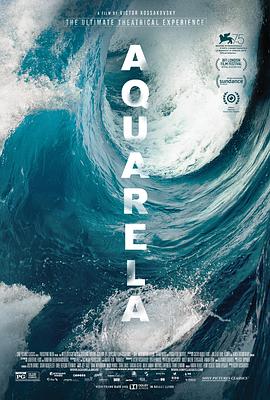
水墨
电影带领观众领略水的别样之美和自然之力。影片采用少见的每秒96帧拍摄技术制作,真诚地提醒我们在地球最宝贵的自然环境面前,在自然巨大的力量,变化莫测的想法面前,我们根本不是对手。影片的主角是水,从俄罗斯贝加尔湖危险的冰冻水域,被飓风厄玛带到迈阿密,最后到达委内瑞拉壮观的安赫尔瀑布。导演维克多·科萨科夫斯基以令人惊叹的电影制作清晰度捕捉到水的多种特点。
浣熊
如今,德国生活着约50万只浣熊。这一切都始于上个世纪上半叶的毛皮贸易。就因为圈养的毛皮质量比野生的低。浣熊来到理想的生活环境后,大量繁衍,甚至向邻国蔓延。猎人们突然开始担心浣熊会影响到其他生物。很长一段时间内,关于浣熊会如何影响本地物种,欧洲没有相关的广泛研究。直到2006年,生物学家们用令人欣慰的结论来阐明这一问题。本片展示了浣熊在森林和城市中的生活,并披露了科学家们喜人的研究成果。
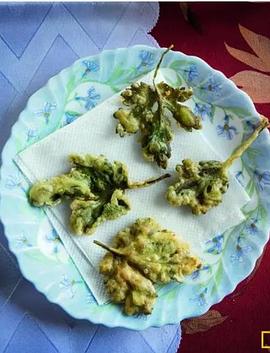
食物的未来
Future of Food In the past year, we have seen food riots on three continents, food inflation has rocketed and experts predict that by 2050, if things don't change, we will see mass starvation across the world. This film sees George Alagiah travel the world in search of solutions to the growing global food crisis. From the two women working to make their Yorkshire market town self-sufficient to the academic who claims it could be better for the environment to ship in lamb from New Zealand, George Alagiah meets the people who believe they know how we should feed the world as demand doubles by the middle of the century.
【India】
George joins a Masai chief among the skeletons of hundreds of cattle he has lost to climate change and the English farmer who tells him why food production in the UK is also hit. He spends a day eating with a family in Cuba to find out how a future oil shock could lead to dramatic adjustments to diets. He visits the breadbasket of India to meet the farmer who now struggles to irrigate his land as water tables drop, and finds out why obesity is spiralling out of control in Mexico.
Back in Britain, George investigates what is wrong with people's diets, and discovers that the UK imports an average of 3000 litres of water per capita every day. He talks to top nutritionist Susan Jebb, DEFRA minister Hilary Benn and Nobel laureate Rajendra Pachauri to uncover what the future holds for our food.
【Senegal】
George heads out to India to discover how a changing diet in the developing world is putting pressure on the world's limited food resources. He finds out how using crops to produce fuel is impacting on food supplies across the continents. George then meets a farmer in Kent, who is struggling to sell his fruit at a profit, and a British farmer in Kenya who is shipping out tonnes of vegetables for our supermarket shelves. He also examines why so many people are still dying of hunger after decades of food aid.
Back in the UK, George challenges the decision-makers with the facts he has uncovered - from Oxfam head of research Duncan Green to Sainsbury's boss Justin King. He finds out why British beef may offer a model for future meat production and how our appetite for fish is stripping the world's seas bare.
【Cuba】
In the final episode George Alagiah heads out to Havana to find out how they are growing half of their fruit and vegetables right in the heart of the city, investigates the 'land-grabs' trend - where rich countries lease or buy up the land used by poor farmers in Africa - and meets the Indian agriculturalists who have almost trebled their yields over the course of a decade.
George finds out how we in this country are using cutting-edge science to extend the seasons recycle our food waste and even grow lettuce in fish tanks to guarantee the food on our plates.
He hears the arguments about genetically modified food and examines even more futuristic schemes to get the food on to our plates.
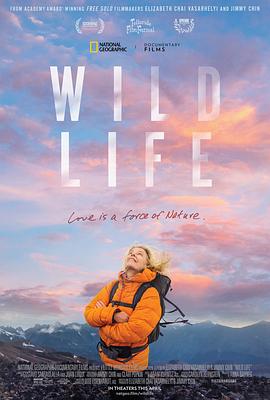
狂野人生2023
quot;由获得奥斯卡奖项的电影制作人Chai Vasarhelyi和Jimmy Chin/金国威拍摄,Wild Life跟随环保主义者,Kristine Tompkins,展开了一个史诗般,持续几十年的爱情故事,野外,这是她投入毕生精力保护的地貌。历史等待被探索。"
"影片也讲述了Kris和Doug Tompkins之间的爱情故事。Doug Tompkins创立了知名的户外运动品牌,north side,并于1989年离开商业世界,专注于环境保护。Kris是另外一间声名显赫的户外产品公司,Patagonia的首席执行官,而且,她还是极限运动爱好者。1993年,二人结婚。他们一同经营自己的生活,深爱彼此,热爱自然。一起,他们成立了一间非盈利机构,Saving Tompkins,他们通过机构购买了智利和阿根廷之间8,100平方公里/810,000公顷的野外区域,二人也成为世界上面积最大的私人土地拥有者之一。Tompkins夫妇开展的保护和生物多样性发展活动延伸至50,000平方公里/5,000,000公顷区域,新千年伊始,二人开始把大部分土地捐赠给智利政府,时至今日,这仍然是历史上面积最大的私人土地捐赠。Wild Life一片按照时间顺序记录了他们进行捐赠的过程。"
吉丽喜多
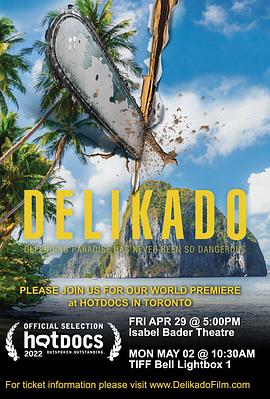
In the majestic tropical island of Palawan, three environmental crusaders confront murder, betrayal and political corruption in this thrilling documentary about land defenders battling to save and preserve paradise in the Philippines.
The island of Palawan in the Philippines contains one of the oldest, largest and most diverse rainforests in the world. It is also one of the most dangerous places to be a land defender. Inside this majestic tropical island, environmental crusaders confront murder, betrayal and battle to save their home for the next generation. Bobby Chan, a local environmental lawyer, leads a bold group of renegade land protectors who guard the rainforest by peacefully confiscating and dismantling the chainsaws of illegal loggers. The battle also rages on behind closed doors. Mayor Nieves Rosento of El Nido is fighting for her political life as her entire family is slandered by her opposition with support from the land developers and infamous dictator President Rodrigo Duterte. Delikado is a timely environmental thriller on how corrupt corporate and political interests are swallowing small Indigenous communities across the globe by diminishing their resources and limiting their power, one tree at a time.
赝品1973
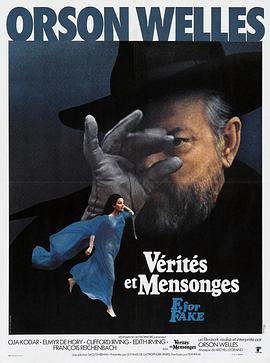
厌倦了逃亡生涯的匈牙利赝品画家艾米尔•德霍瑞(Elmyr de Hory)于1969年回到西班牙伊维萨岛,成为岛上名人,并结识了美国作家克利福德•艾尔文(Clifford Irving)。导演奥逊•威尔斯在介绍艾米尔•德霍瑞的同时穿插讲述了曾轰动一时的克利福德•艾尔文造假美国飞行业大亨霍华德•休斯自传案,随后又杜撰了女友欧嘉•蔻达(Oja Kodar)与毕加索之间的一段奇事。真假穿插中,奥逊•威尔斯提出了“艺术是什么”与作品归属权的问题。
本片是美国导演奥逊•威尔斯的最后一部完整的电影作品,大部分镜头素材来自由艾尔文•克利福德编剧,法国导演弗朗索瓦•莱兴巴赫(Francois Reichenbach)导演的关于匈牙利赝品画家艾米尔•德霍瑞的BBC纪录片。