温莎公爵夫人秘史
This explosive film examines recently discovered letters written by Wallis Simpson that reveal her secret love, and chart her fear as she found herself becoming trapped into marrying Edward VIII.
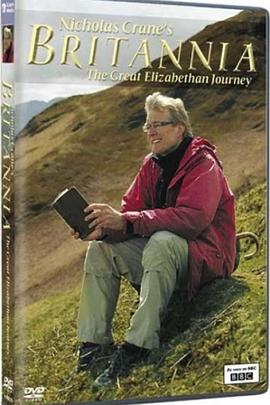
大不列颠:伟大的伊丽莎白之旅
Nicholas Crane rediscovers the 'lost' masterpiece Britannia on an epic 5000 mile hike battling the elements in search of Elizabethan Britain.
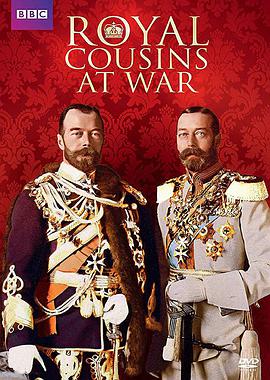
皇亲间的战争
在第一次世界大战爆发之际,三位皇亲各自统治着欧洲的强大势力:沙俄帝国的沙皇尼古拉斯二世,德国的德皇威廉二世,以及英王乔治五世。这部两集纪录片系列检索了这三位君主在一战爆发中所起到的角色以及战争开始之际他们之间的关系;提论这些元素的影响要比以往的历史学家们所认识的要大的多。
At the outbreak of the First World War three cousins reigned over Europe's greatest powers - Tsar Nicholas II of Russia, Kaiser Wilhelm II of Germany and King George V of England. This two-part series looks at the role played by the three monarchs, and their relationships with each other, in the outbreak of war, arguing that it is far greater than historians have traditionally believed.
BBC 安妮·博林的最后岁月
Anne Boleyn is one of the most famous and controversial women in British history. In 1536, she became the first queen in Britain's history to be executed. The brutal speed of her downfall, and the astonishing nature of the charges against her - treason, adultery, even incest - makes her story shocking even to this day.
Yet whilst we know how Anne died, the story of why she had to go and who authored her violent end has been the subject of fiery debate across six centuries. In a radical new approach to televised history, a stellar cast of writers and historians, including Hilary Mantel, David Starkey, Philippa Gregory and others, battle out the story of her last days and give their own unique interpretations of her destruction.

优雅与颓废:摄政时代
历史学家 露西·沃斯利博士将给我们带来一段距今已经200年的英国历史--那段最具爆发性,最具创造性的年代--摄政时代。一幅生动的画面展现在眼前:一个颓废堕落的王子--臭名昭著的摄政王掌控下的优雅颓废时代。他对美色,美食,声色犬马之道沉迷至深,以此成为了一代传奇人物...也正是这个人,重塑了伦敦城,开拓了举世闻名的摄政街,通过对艺术和设计的大力支持,把摄政时代打造成为英伦风尚的缩影...
第一集:不加掩饰--王子的画像
露西·沃斯利博士带领我们领略摄政时代的初期,当时的英国在1815年战胜拿破仑,一时风光无限;我们还将一起探索摄政王扭曲复杂的个人性格。他对美色,美食,声色犬马之道沉迷至深,以此成为了一代传奇人物...
第二集:摄政时代风格大发展
露西·沃斯利博士将给大家展示滑铁卢之战后的英国,这个趾高气昂的新兴国家想要在世人眼中树立何种形象,它又是如何在建筑设计中体现出这种气质的...同样,依然是摄政王引领风尚大旗。他变得越来越胖,爬不了楼梯,也走不了路,建筑就成为了他创造力的出口:最具表现力的就是位于布赖顿的皇家行宫。这座行宫在他做摄政王初期,仅仅是一座新古典主义的优雅别墅,但是,与建筑师约翰·纳什共事之后,乔治在1815年之后,把这座别墅建造成为一座令人震惊的皇家宫殿。在这座宫殿中,露西对摄政王的品味有了更多的了解,也发现了他与他的厨子之间的共同点...
第三集:多数派和少数派--分裂的十年
露西·沃斯利博士仔细研究了摄政王骄奢淫逸带来的反作用,他所代表的精英阶层与大众的嫌隙。在乔治作为摄政王统治的末期,英国的革命一触即发...在这一刻,舆论的力量--也就是激进的作品和演讲,挑战了国家的司法权。诗人雪莱和他的妻子玛丽公开支持革命者,玛丽的著名小说《科学怪人》表现的正是这种恐惧,这种被不可控制的新工业世界围绕着的恐惧。
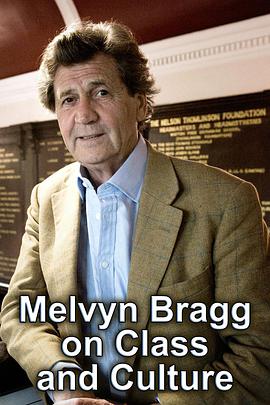
阶级与文化
Melvyn Bragg explores the relationship, from 1911 to 2011, between class and culture.

揭秘亚瑟王
Poet Simon Armitage traces the evolution of the Arthurian legend through the literature of the medieval age and reveals that King Arthur is not the great national hero he is usually considered to be. He's a fickle and transitory character who was appropriated by the Normans to justify their conquest, he was cuckolded when French writers began adapting the story and it took Thomas Malory's masterpiece of English literature, Le Mort d'Arthur, to restore dignity and reclaim him as the national hero we know today.
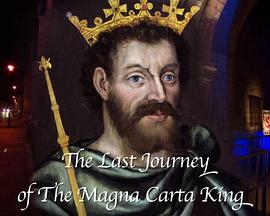
大宪章国王的最后旅程
Ben Robinson retraces the dramatic last days of King John, England's most disastrous monarch, and uncovers the legend of his lost treasure.
Ten days took King John from ruler of an empire to sudden death, and left the kingdom in ruins. John is famous for the creation of Magna Carta, which inspired our modern democracy.
Ben follows in the footsteps of the King's epic last journey, from the treacherous marshes of East Anglia, through Lincolnshire and Nottinghamshire, to his final resting place in Worcester. He is joined by medieval historian professor Stephen Church.
Together they examine the truth behind the legend that has lived on for 800 years. Did the crown jewels really end up in the mud of the Wash? Was the King poisoned? Does he deserve his reputation as our most disastrous monarch?
Thanks to unique documents, we can tell this epic tale in the King's own words. Not only can we get into the mind of the Magna Carta King, we can reveal in fantastic detail how and where he travelled.
Ben reveals what happened when treasure seekers attempted to find the King's lost jewels with the help of a diviner. And using the latest technology reveals how we can actually see back in time to reveal the landscape as it would have looked when King John made his last journey 800 years ago.
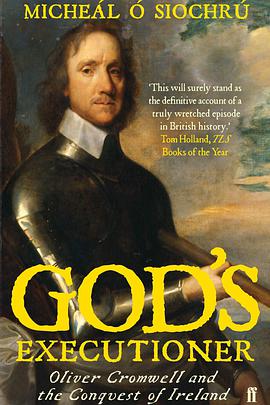
Cromwell - God's Executioner
Historian Dr Micheál Ó Siochrú presents award-winning director Maurice Sweeney’s gripping docudrama, which re-evaluates the role and character of England’s most influential democrat. Cromwell: God’s Executioner has drama, excitement and action, combined with a poignant reflection on the horrors of war. If you thought you knew Cromwell, think again.
The King's War On Witches
In the late 16th century Europe was in the grip of a ferocious witch hunt, where thousands were tortured and burnt at the stake. The church was fully behind this terrifying crusade against the imaginary enemies of Christianity. In France and Germany alone up to 40,000 people may have been killed as witches. But England and Scotland were almost untouched by witch persecutions until King James himself decided to launch his own, personal war on witchcraft.
In 1597 King James VI of Scotland published 'Daemonology', a handbook on how to recognise and destroy, witches. The book explored the threat that 'those Detestable slaves of the Devil', posed to James himself. It fuelled waves of witch hunting throughout Britain.
The legacy of James' 'Daemonology' continued throughout the 17th century, and led to the torture and execution of hundreds of women in a series of infamous witch trials. No-one knows exactly how many men and women died in these trials, such as the Pendle trial of 1612, or how many others were killed in cases that never came to court. The documentary reveals the purges in many areas of Britain drew directly on King James' book. Also for the first time, remarkable new archaeological evidence from Cornwall, suggests that witchcraft was actively practiced for centuries, even during the most intense periods of witch-hunting. Experimental archaeologist Jacqui Wood has excavated strange pits lined with swan's feathers, and filled with animal skins and human remains. She believes the pits were ritual offerings inspired by witchcraft beliefs.
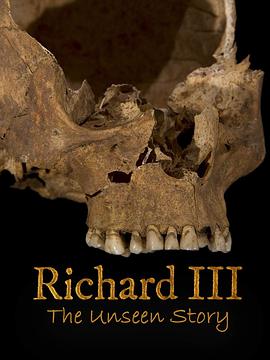
理查三世:看不见的故事
A special follow-up to the programme that broadcast exclusive access to the research into the remains of Richard III found underneath a Leicester car park. The research confirmed that the remains were his, and helped build a picture of what he looked like. Using unseen footage of the dig and tests, and fresh interviews with the lead scientists, this programme reveals multiple new dimensions to the hunt for England's long-lost king. The project involved dozens of specialists, in the fields of archaeology, osteology, history, forensic pathology, genealogy and DNA analysis. The programme pieces together the critical steps in the archaeological excavation, explaining how the Greyfriars Church was uncovered and detailing the painstaking exhumation of Richard's grave from the first indications of human remains to the exposure of the body's twisted spine. In the university's labs, the programme follows the scientists as they examine the skeleton to unlock the lost king's story, revealing its clues to his diet and social status, and to the diseases he endured. The film reveals how the DNA match with Richard III was made. Perhaps the most harrowing stage of the project was the minute forensic examination of the cause of death. Piecing together CT scans and microscopic analysis, the team identified the major injuries that Richard suffered in the last moments of his life and shortly afterwards.
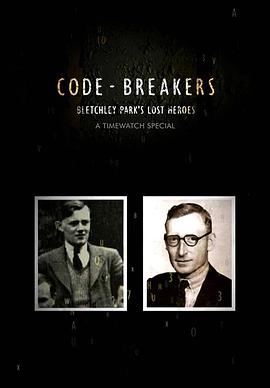
密码破译者:布莱切利庄园的幕后英雄
Documentary that reveals the secret story behind one of the greatest intellectual feats of World War II, a feat that gave birth to the digital age. In 1943, a 24-year-old maths student and a GPO engineer combined to hack into Hitler's personal super-code machine - not Enigma but an even tougher system, which he called his 'secrets writer'. Their break turned the Battle of Kursk, powered the D-day landings and orchestrated the end of the conflict in Europe. But it was also to be used during the Cold War - which meant both men's achievements were hushed up and never officially recognised.
英国广播公司:诺曼行走
【内容介绍】:
历史学家丹·斯诺穿上登山靴,带我们重走英国的大好河山,在如画的风景中挖掘诺曼祖先给我们留下的历史遗迹。从他们野蛮狂暴地登上英国海岸,到那些保存了千年的建筑遗迹...丹·斯诺会带领我们重温诺曼人的征服历程:登岸,侵略,征服,统治,殖民...
我们的探索从苏克塞斯郡的海岸线开始,征服者威廉与诺曼军队就是在这里首次踏上了英国的国土,为后来的黑斯廷斯战役做准备...威廉这次大举进犯的结果已是妇孺皆知,然而,在那场战争之前又发生了什么呢?
威尔士崎岖的地貌和当地彪悍的部落首领使得威尔士成为一片未开化的处女地...丹·斯诺将带领我们在曼诺河谷观赏那些诺曼时代拔地而起,鳞次栉比的城寨城堡。它们是男爵在国家开疆扩土行动中的手工产物,在这场行动中,诺曼人把自己的影响拓展到了威尔士和爱尔兰...
《诺曼行走》的最后一站来到约克郡,在诺曼人入侵四年之后,这里被残酷的大肆破坏,夷为平地,寸草不生...这种大规模的种族灭绝政策是诺曼人巩固英国统治的最后一步!我们这次将会揭秘,这里如何成为了诺曼人最大遗产的背景地...
From 夏末秋字幕组